"We are working on developing bacteriophages that are resilient to low-pH environments, such as the inside of the stomach. In this development, we utilize a proprietary AI platform to evaluate their acid tolerance.
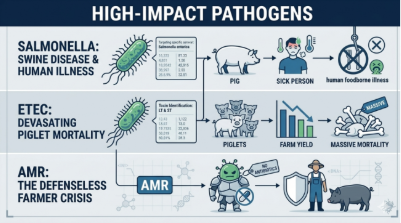
Bacteria are ubiquitous in our environment, and some pose serious threats to human health. For instance, Helicobacter pylori, which inhabits the human stomach, is known to cause gastric ulcers and stomach cancer. Traditionally, treatment for such bacterial infections has relied on antibiotics. In recent years, however, bacteria have begun developing resistance to these drugs, reducing their efficacy. Furthermore, antibiotics indiscriminately affect various microbes in the treated area, leading to the problematic eradication of beneficial bacteria as well. In this context, we are focusing our research on developing "phage therapy," an alternative approach that utilizes viruses called bacteriophages to target and eliminate specific bacteria. Because phages selectively kill only their target bacteria, they are considered to have fewer adverse effects on the human body compared to antibiotics, gaining significant attention as a novel alternative to conventional treatments. However, key challenges remain. Generally, phages lack resilience against highly acidic environments. Since bacteria like H. pylori reside in the highly acidic environment of the stomach, conventional phage therapy faces severe limitations. To overcome these constraints, we have embarked on the development of engineered "synthetic phages" equipped with strong acid resistance. In this development process, we are establishing a proprietary AI platform to efficiently identify the genetic mutations required for these synthetic phages. This methodology for engineering synthetic phages is highly versatile and can be applied not only to H. pylori but also to various other target bacteria. In particular, with a commitment to contributing to Okinawan society, we are also directing our research toward eradicating bacterial pathogens (such as Shigella and E. coli) that threaten Agu pigs. Furthermore, we aim to apply our established AI platform beyond validating the acid tolerance of phages; we envision leveraging it to address regional environmental issues linked to Okinawa’s acidic conditions—such as the red soil runoff problem and sugarcane decomposition—thereby contributing to the sustainable development of the local community.