





Project 2026

Protecting Okinawa's pigs from bacterial infection

Pigs are in danger from bacterial infection
Swine dysentery is a bacterial infection.
It causes bloody diarrhea and stunted growth,
and spreads fast enough to devastate a farm.
Until now, it was treated with antibiotics.

But
the drugs stop working
In recent years, more bacteria have developed resistance, and antibiotics work less well.
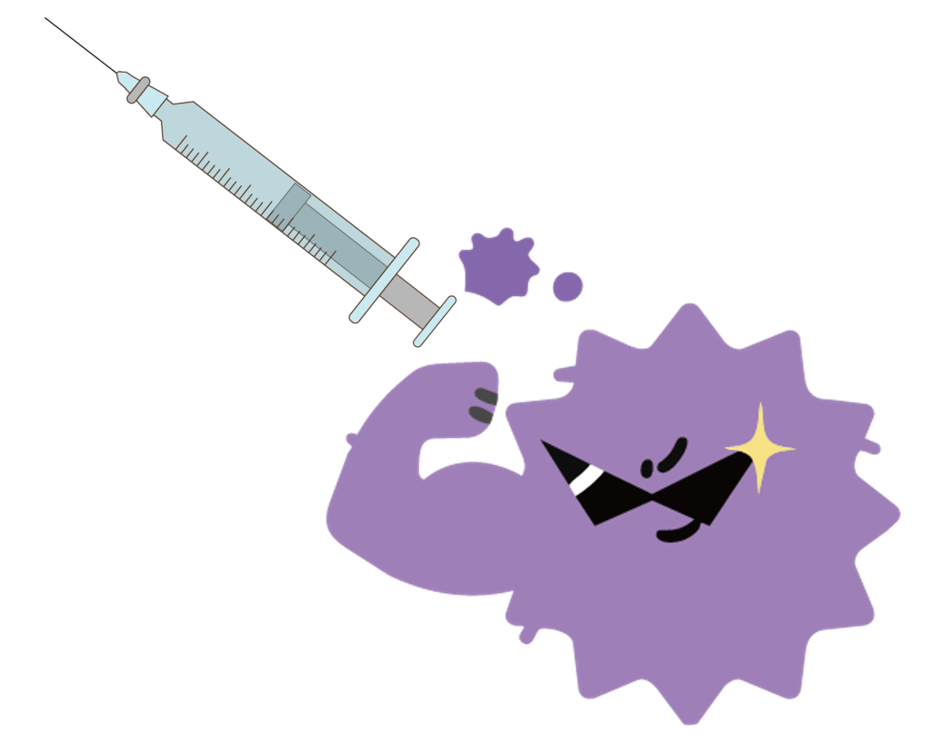
So we are developing a virus,
Phages
to replace antibiotics.

What is a phage?
A phage is a virus that
attacks bacteria. It kills
only the target bacteria.

But
phages have a weakness
Phages are weak against acid and cannot
work in the stomach's harsh acidity.
As they are, they cannot treat the infection.
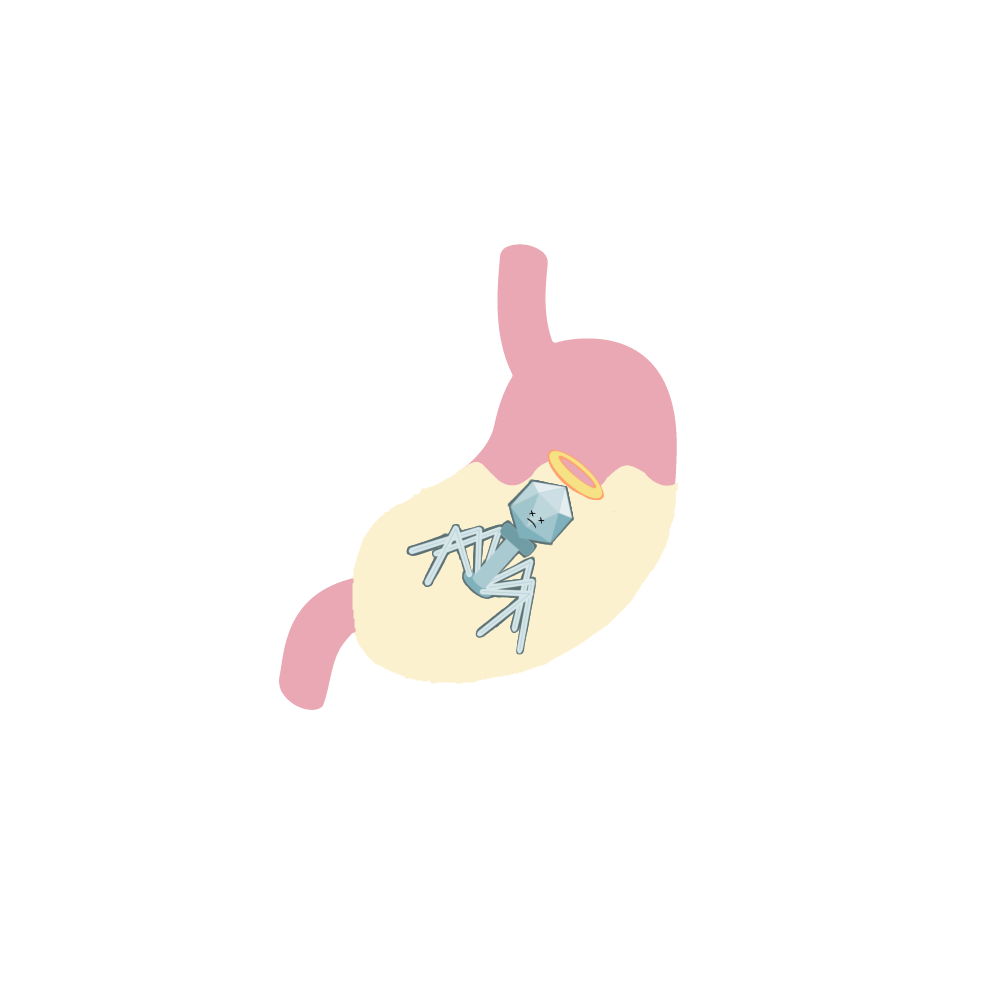
So our goal is to develop
acid-resistant phages
that survive the stomach.

How do we build them?
We improve phages through
selective breeding. To do that,
we must find which genes to
change, and how to change them,
to make a phage resist acid.
But the number of possible
genetic changes is enormous.
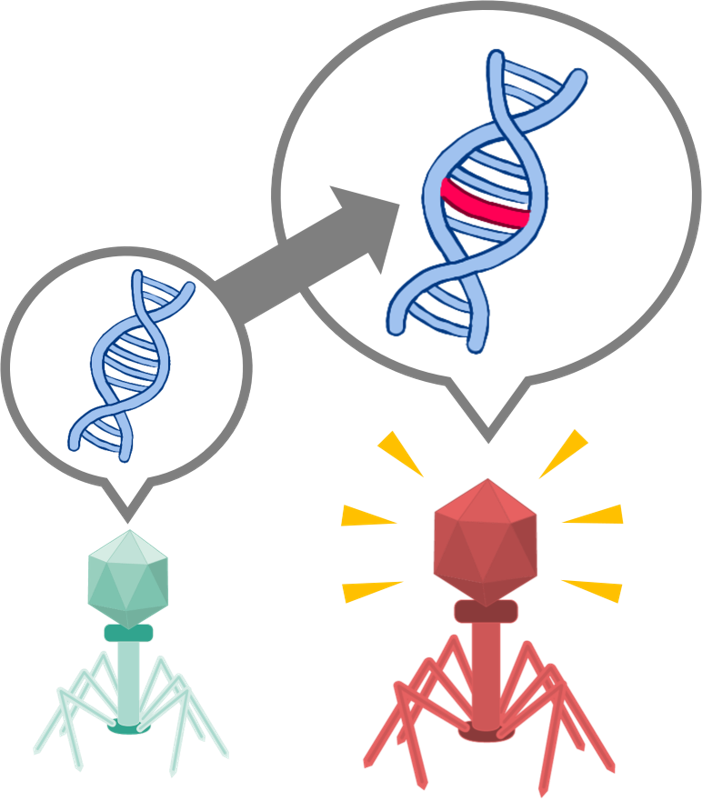
Searching for the best
So we use our own AI platform to
efficiently search for the genetic
changes that show the most promise.

We believe this method helps
not only pigs, but also
many other challenges
here in Okinawa.
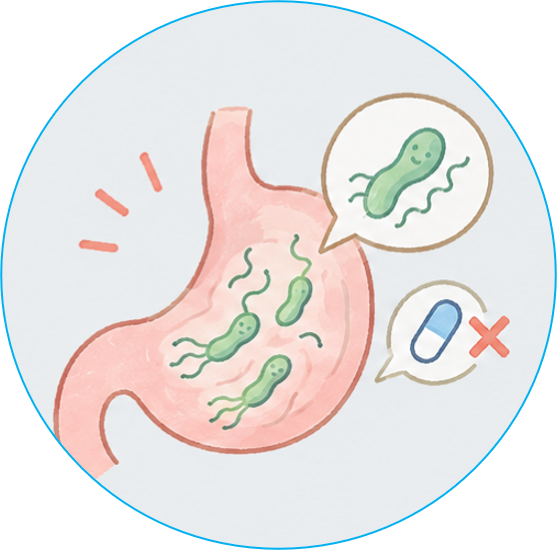
Harm from H. pylori
H. pylori causes
stomach ulcers and
cancer. Resistant
strains are rising.
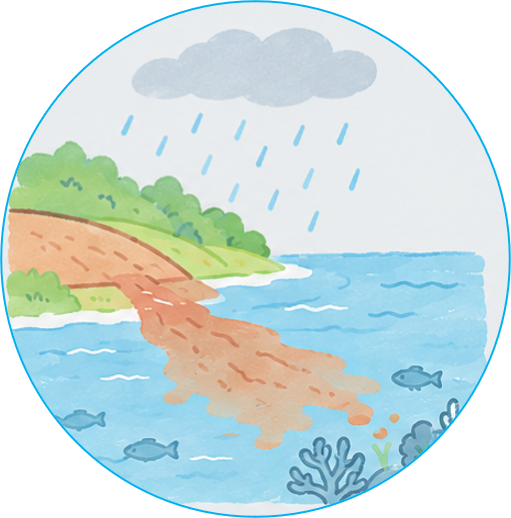
Red soil runoff
When red soil washes
into the sea after rain,
it harms the marine
environment.

Breaking down sugarcane
Sugarcane is hard to
break down, so it is not
fully used as a
resource.
With this method, we aim to
contribute to the sustainable
development of Okinawa.